
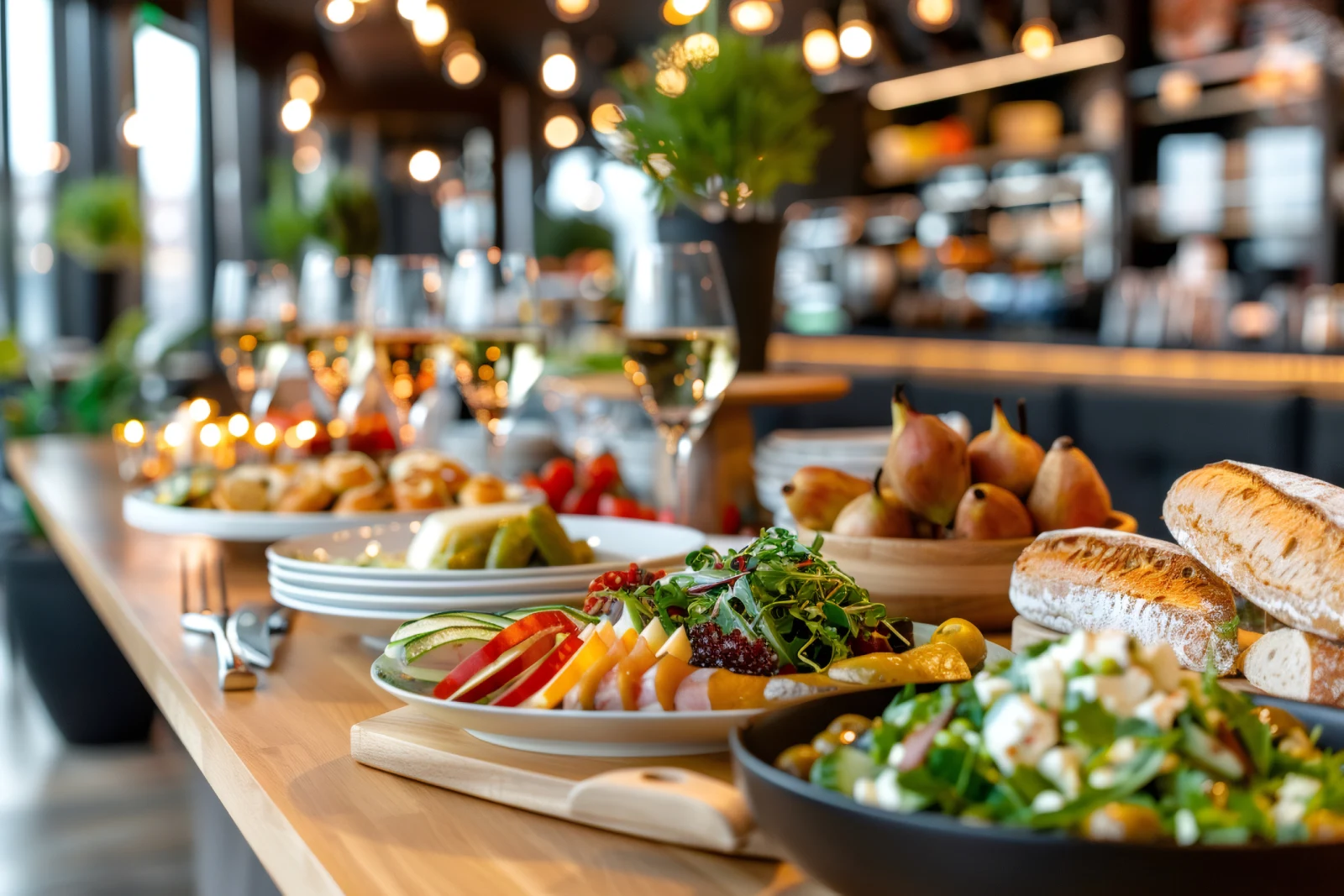
From meetings to events, thoughtful food strategy is shaping how organizations support health without sacrificing experience. Modern workplace dining is no longer just about feeding people, it is about fueling performance, honoring inclusion, and creating hospitality that reflects company values.
Organizations are redefining hospitality through food. Dining has moved beyond a logistical detail to become an extension of culture and care. Menus are now designed with intention, considering energy levels, allergens, cultural preferences, and dietary needs alongside flavor and presentation.
Wellness-forward dining respects that employees and guests arrive with different health goals, medical considerations, and lifestyles. When food environments acknowledge this diversity, they communicate belonging and professionalism.
Boardrooms and conference tables are being reimagined with meals that sustain focus rather than drain it. The traditional model of pastries, heavy starches, and sugary beverages often leads to mid-meeting fatigue and mental fog.
Wellness-minded organizations are shifting toward:
These small shifts help teams stay engaged, creative, and productive throughout the day.
Corporate catering has entered a new era where health and experience coexist. Wellness-forward menus do not feel restrictive, they feel elevated. Flavor, presentation, and cultural relevance remain central while ingredients are selected to support digestion, stable energy, and diverse dietary patterns.
Guests can enjoy beautifully crafted meals that respect:
Thoughtful design allows everyone at the table to participate fully.
Successful programs rely on more than good intentions. They require collaboration between nutrition expertise and foodservice operations.
Key practices include:
Even small design shifts, better labeling, improved portions, intentional menu rotation create meaningful impact at scale.
At DNA360 Wellness, we help organizations design dining experiences that feel indulgent yet intentional. Our approach blends registered dietitian guidance with chef-driven hospitality to protect both performance and guest experience.
We support teams through:
The result is food that supports people, reflects brand values, and elevates everyday hospitality.